






















Choosing the right girth is one of the most important decisions you can make for your horse’s comfort and overall performance under saddle. While it may seem like a simple piece of tack, it plays a critical role in stabilizing the saddle, supporting movement, and preventing pressure issues along the horse’s rib cage and sternum.
In this guide, we’ll walk through everything you need to know about how to choose a girth, from sizing and styles to materials and custom padding, so you can make the best purchase for your horse.
Why the Right Girth Matters
A girth does much more than hold the saddle in place. It plays a direct role in your horse’s comfort and freedom of movement. It lies over the pectoral muscles that help power the forelimbs and alongside sensitive nerve pathways, all in an area with relatively thin, mobile skin. Because of this, a poorly fitting or uncomfortable girth can create uneven pressure, restrict muscle function, and irritate nerves, leading to discomfort, shortened stride, or resistance under saddle.
If you’ve noticed any of these signs while tacking up, your horse may be experiencing girth discomfort or a poor girth fit. However, it’s important to remember that these behaviors don’t always point to the girth alone. They can also be associated with issues like poor saddle fit, ulcers, or general sensitivity. When in doubt, consulting an equine veterinarian or qualified professional can help determine the underlying cause.
Common signs to watch for include:
-
Pinning ears when tightening the girth
-
Swishing the tail or lifting a hind leg
-
Hair loss or rub marks along the girth area
To evaluate your current girth, take a moment to check how pressure is distributed. After tightening, gently run your fingers under the girth along the sternum. You should feel even, consistent contact on both sides. Areas of increased pressure or tightness can indicate an uneven fit, which may contribute to discomfort.
In many cases, a girth with a wider sternum pad can help distribute pressure more evenly and improve overall comfort. While anatomic girths are often marketed as a solution, they don’t automatically guarantee better fit. In some cases, their shape can concentrate pressure rather than relieve it. As with any girth, even pressure distribution is far more important than style alone.
Short Girth vs Long Girth
Before you determine the correct girth size for your horse, the first and most important step is identifying whether your saddle requires a short or long girth. These two styles sit in completely different positions on the horse and are used for different types of saddles.
Short Girth
A short girth is most commonly used for dressage saddles and many modern mono-flap jump saddles. Because these saddles have longer billets, the girth sits lower on the horse’s rib cage, a few inches below the saddle flap.
This lower placement reduces bulk under the rider’s leg, allowing for closer contact and better communication. It also helps prevent interference with the shoulder, supporting more natural movement and overall comfort.

Long Girth
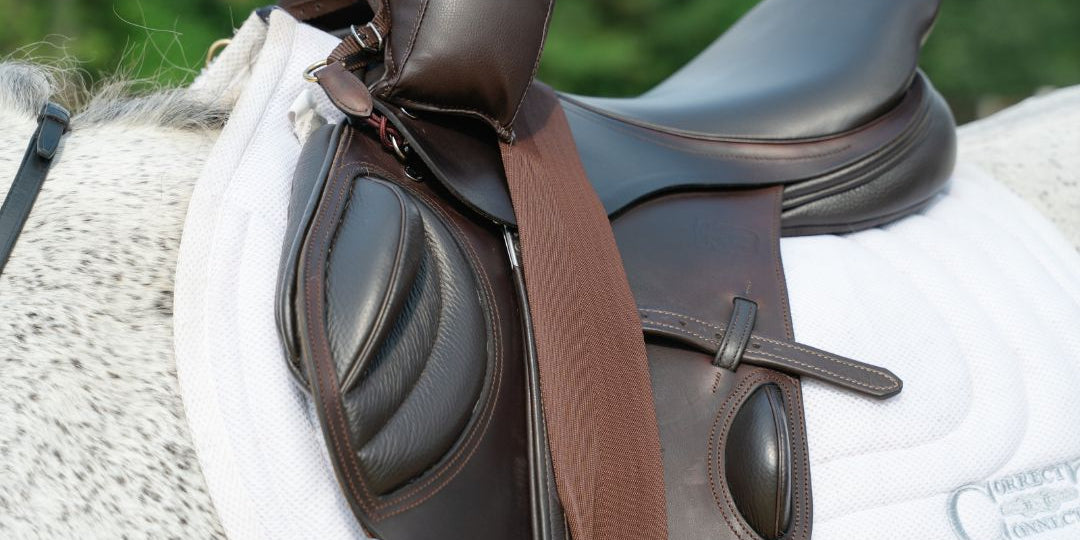
A long girth is typically used with traditional jump saddles that have shorter billets positioned under the saddle flap. As a result, the girth sits higher on the horse’s side, closer to the rider’s leg.

How to Size a Short Girth
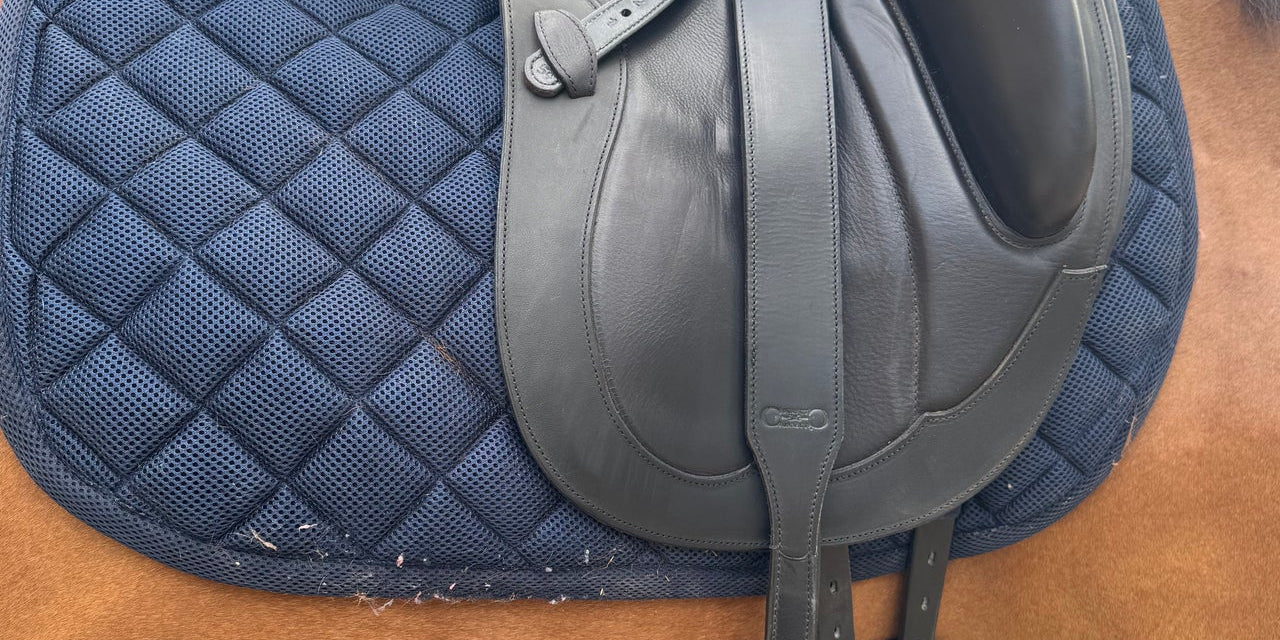
Position the saddle correctly
-
Place the saddle in its natural position just behind the withers.
-
Make sure it is sitting evenly before you begin measuring.
Check ideal girth placement
-
The end of the girth should sit about 2–3 inches below the bottom of the saddle pad.
-
Avoid girths that are too short, as they can create uneven pressure and discomfort.
-
Choosing the longest suitable girth helps distribute pressure over a larger surface area for better comfort.
Measure for size
-
Using a soft tape measure, start at the second or third billet hole (or the point roughly 2–3 inches below the saddle pad) on one side.
-
Run the tape under the horse’s belly to the same point on the opposite side.
-
The measurement in inches or centimeters is your girth size.


How to Size a Long Girth
For a long girth, the process is similar, but the desired fit and final position are different. After placing your saddle correctly, measure from the middle of the billets on one side, under the horse, to the middle of the billets on the opposite side.
Key Features to Look For in a Girth
Elastic and Stretch
Elastic allows the girth to stretch slightly as the horse breathes, improving comfort and reducing pressure across the rib cage. However, too much stretch can lead to instability. Look for strong elastic that maintains shape over time.
Flexibility
It is important to choose a girth that is flexible enough to move with your horse. A girth that is too stiff can restrict natural movement and reduce overall comfort.
Center Design and Rings
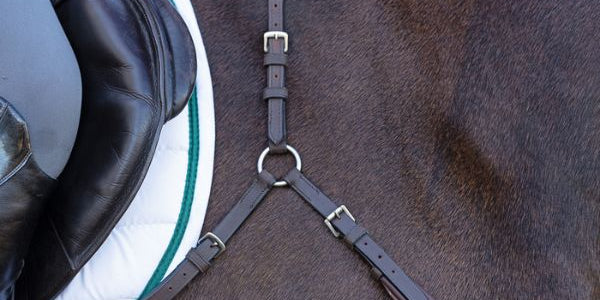
If you ride with a breastplate that needs to clip onto the girth, be sure to select a girth with a center D-ring.
Choosing the Right Materials
Material choice significantly affects comfort, durability, and maintenance.
Leather
Leather girths are a traditional and popular choice. They are durable, mold to the horse’s shape over time, and offer great grip. However, they require regular cleaning and conditioning to maintain softness.
Fleece and Faux Fleece
Fleece provides a soft barrier between the girth and the horse’s skin. Faux fleece options are often machine washable and easy to maintain, making them ideal for everyday use.
Sheepskin
Real sheepskin offers exceptional softness and natural temperature regulation. It is ideal for sensitive horses prone to rubs but requires more careful cleaning.
Spotlight: Pressure Relief Comfort Short Girth

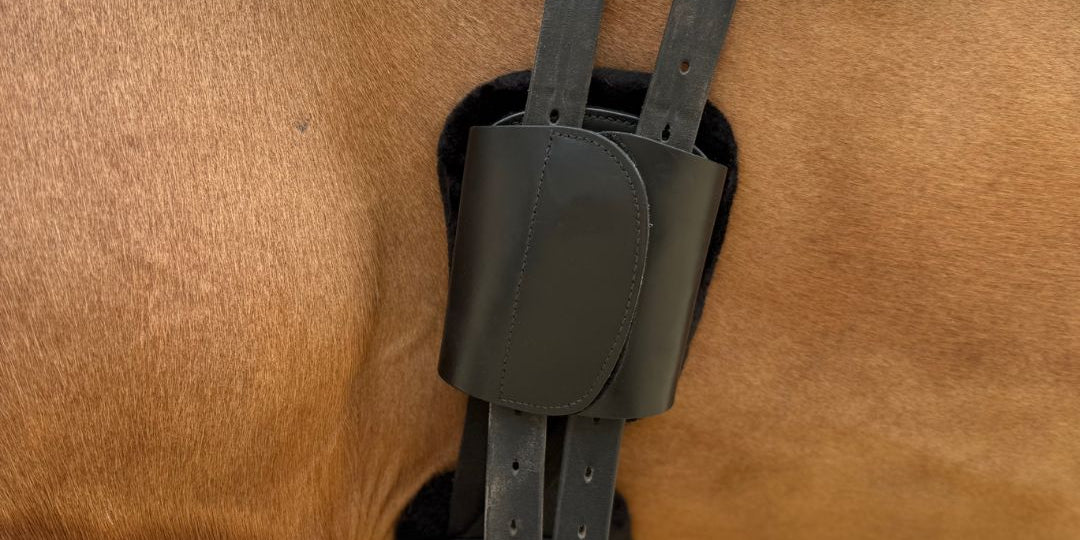
One standout option for riders seeking maximum comfort is the Pressure Relief Comfort Short Girth. Designed with the horse in mind, this short comfort girth is especially beneficial for horses that tend to be girthy or sensitive.
Key features include:
-
Thick, velcro padding options in faux fleece, leather, or real sheepskin
-
Coverage over the sternum and buckle areas to relieve pressure points
-
A design that holds elastic away from sensitive areas along the rib cage
-
A shape that promotes freedom of movement in the shoulder
This girth has become a favorite among saddle fitters, upper-level riders, and even Olympic competitors. It’s particularly effective for horses that react to traditional girths or struggle with pressure and fit issues.
Care and Maintenance
Proper care will extend the life of your girth and keep it comfortable for your horse.
-
Faux fleece: Machine wash separately and lay flat to dry
-
Leather: Clean regularly with leather cleaner and conditioner
-
Sheepskin: Hand wash with a specialized cleaner and air dry
Keeping your girth clean prevents irritation and maintains softness against the horse’s skin.
Final Thoughts
Choosing the right girth comes down to understanding your horse’s needs and the importance of proper fit. From selecting the correct size to choosing the right materials and style, every detail plays a role in your horse’s comfort and performance.
No matter what discipline you ride, investing in a high-quality girth is essential. Options like the Pressure Relief Comfort Short Girth provide thoughtful design features that help relieve pressure, improve fit, and keep your horse comfortable during every ride.
When in doubt, consult with a saddle fitter, read customer reviews, and take the time to find the perfect match. Your horse will thank you with better movement, improved behavior, and a more enjoyable riding experience!

