

















“Shoulders back!”
It’s one of the most common corrections riders hear, and one of the easiest to forget the second you start thinking about your horse, your hands, your leg, and everything else happening underneath you.
The struggle is recognizing when your position changes and knowing what the correction should actually feel like.
A riding posture corrector gives you a physical cue in the moment, helping turn your trainer’s instructions into something you can feel for yourself.
Good Riding Posture Shouldn’t Feel Forced
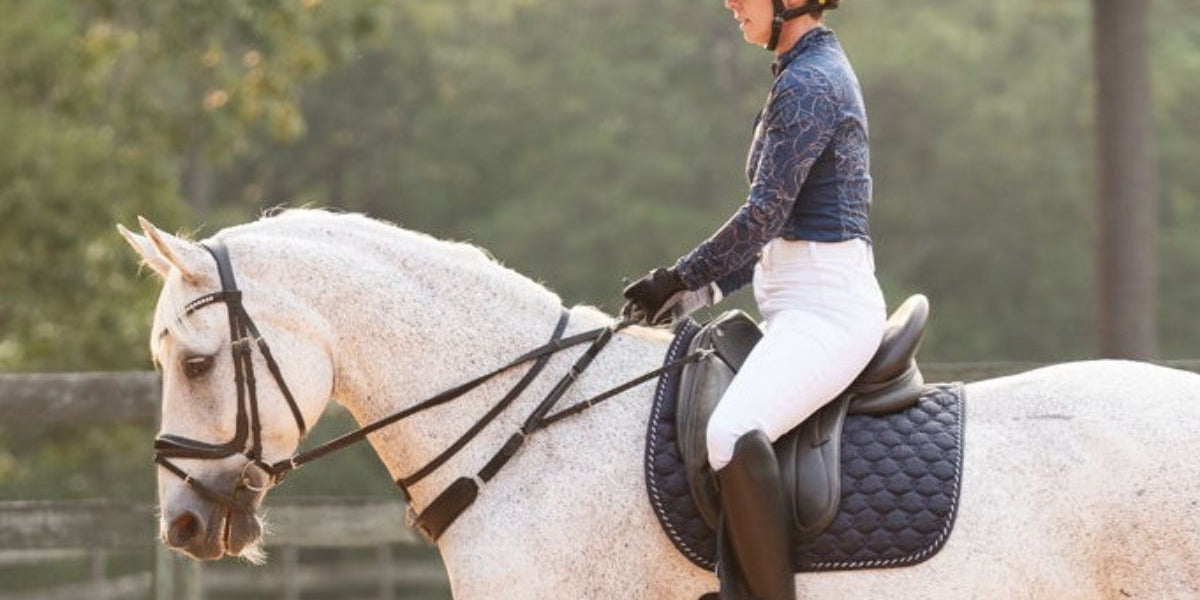
Sitting tall doesn’t mean pulling your shoulders as far back as possible or becoming stiff through your upper body.
Good posture allows your shoulders to stay open, your elbows relaxed at your sides, and your core and back muscles to support your position, all while remaining flexible enough to follow your horse’s movement.
This is why the old-school trick of putting a riding crop behind your back isn’t always helpful. It may pull your shoulders backward, but it can also create an uncomfortable over-correction.
The goal is better alignment, not rigidity.
That idea led to the Correct Connect Position Reminder.
The Original Correct Connect Position Reminder

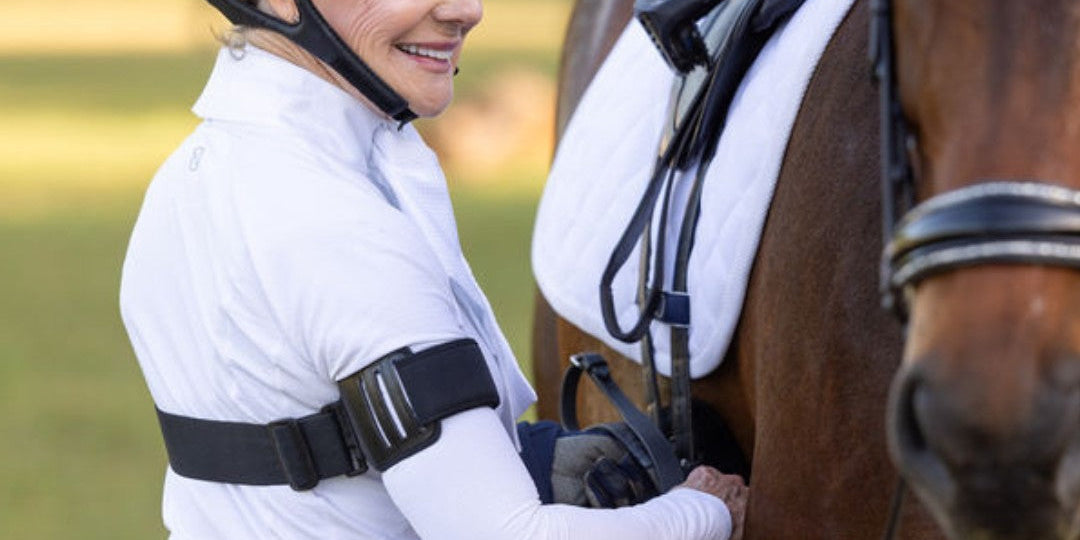
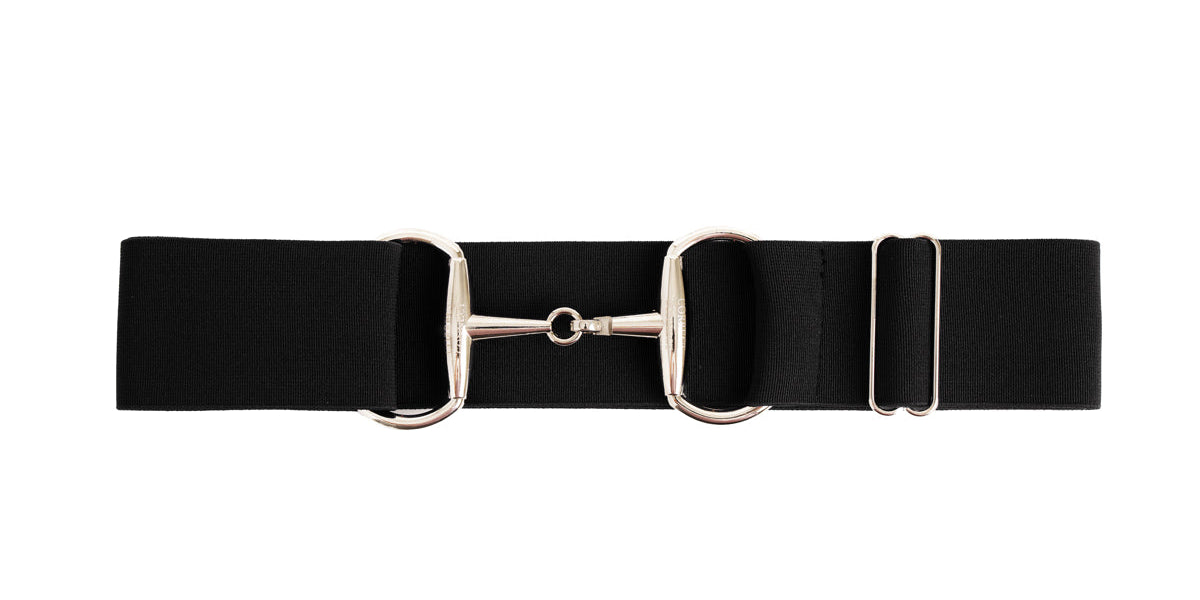
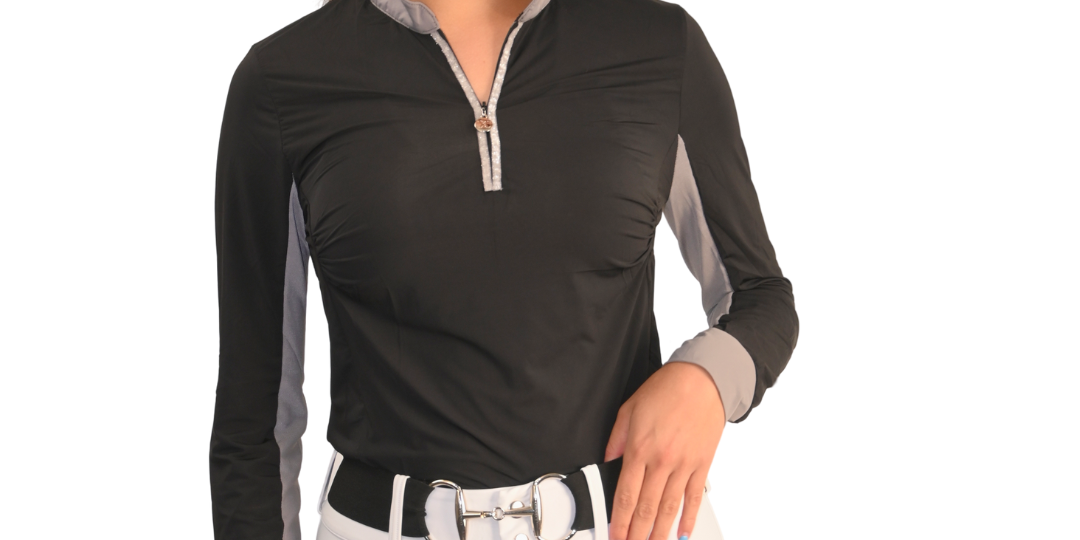
The Original Position Reminder is a simple, adjustable elastic training aid designed to gently remind you when your upper-body position starts to change.
Where you wear it determines what you work on.
Place it higher on your arms to focus on your shoulders, or move it lower on your arms to work on keeping your elbows in a more effective position.
Because it's elastic, it moves with your body rather than holding you rigidly in place. You still have to use your own muscles to maintain the correction, which is exactly the point.
With repetition, that feeling can begin to translate into better muscle memory when you're riding without it.
Position Reminder Pro: Proprioceptive Feedback While You Ride

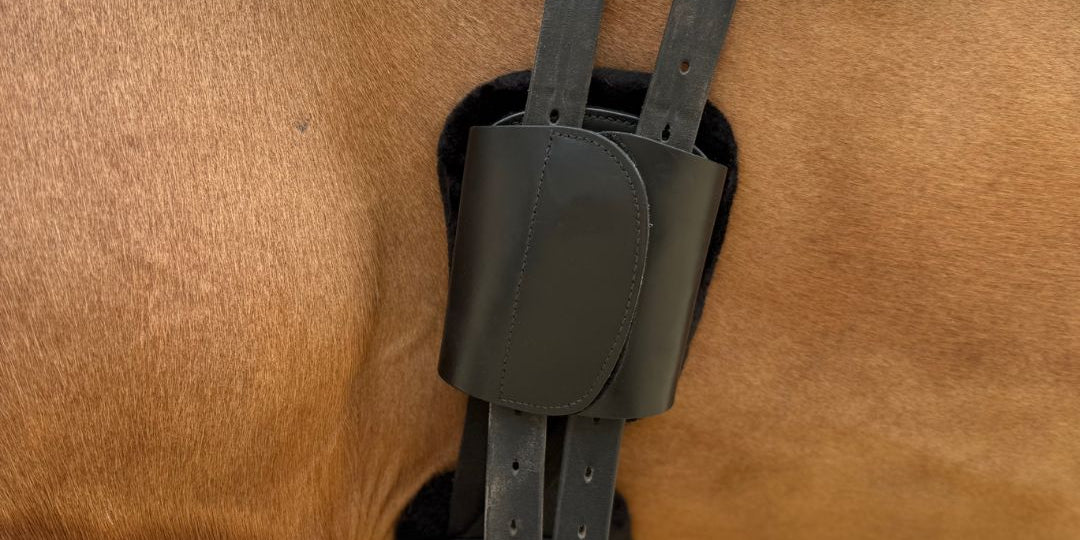
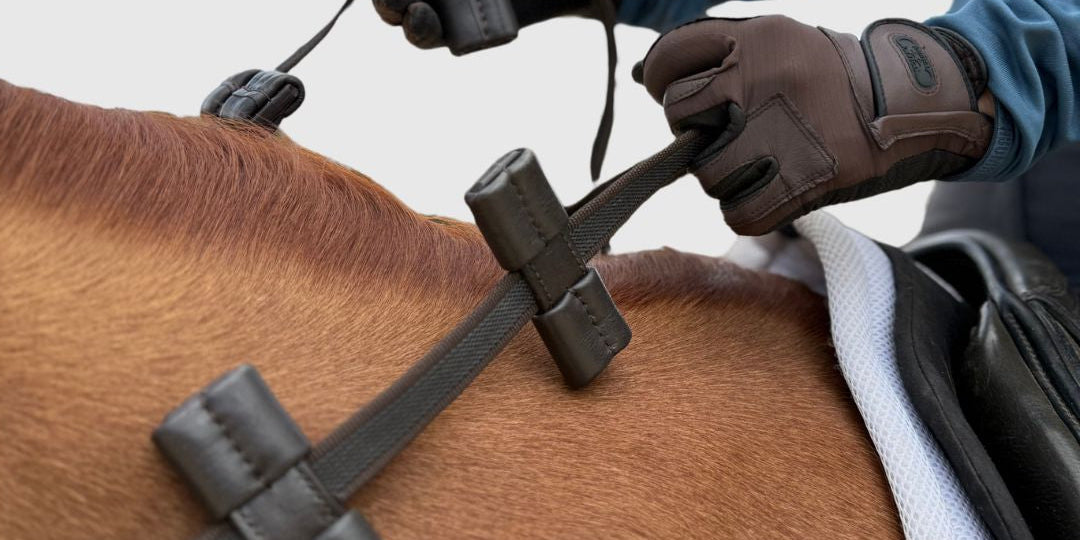
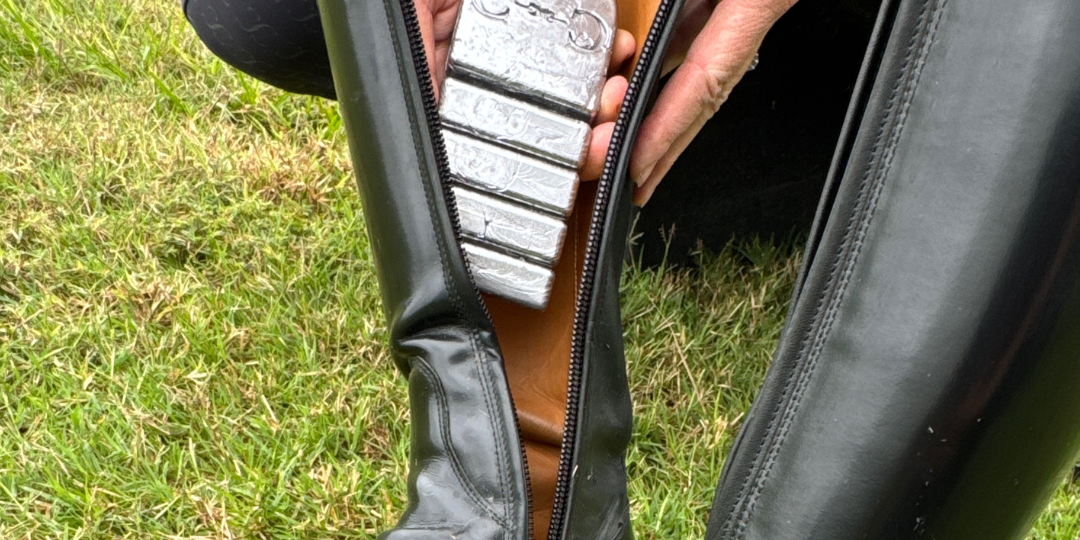
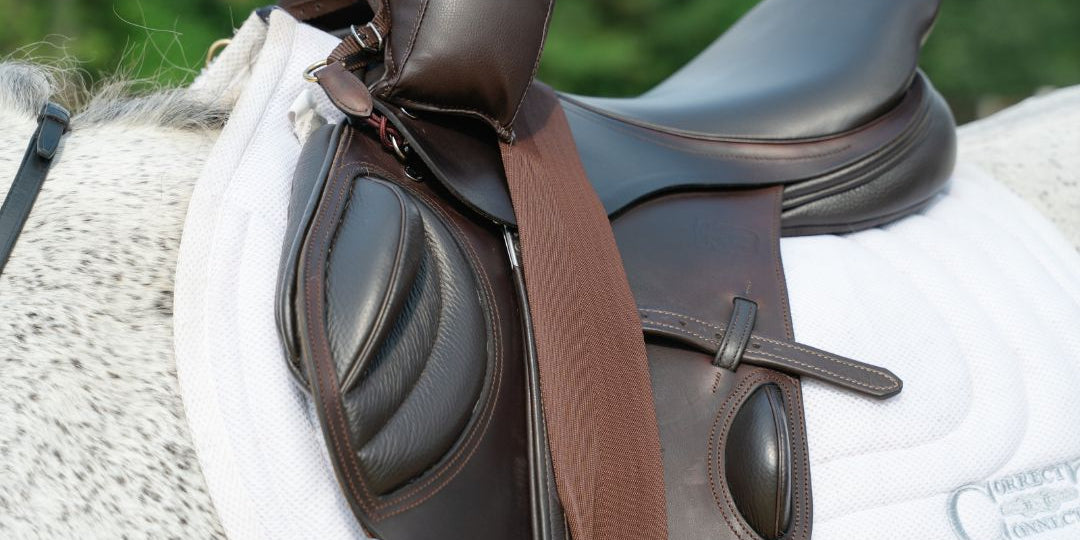
While the Original Position Reminder uses elastic resistance around the arms as a simple cue, the Position Reminder Pro works differently. It combines guidance at the elbows with a lightweight support across the back to give riders a more defined reference point for their upper-body position.
Soft, flexible guides encourage your elbows to stay relaxed and close to your sides, which naturally brings the shoulders into better alignment. The back piece provides a tactile point of contact, helping you maintain a neutral spine and notice when you begin to slouch or collapse forward.
It’s designed to move with you, not lock you into place. The structure is flexible enough to follow your movement in the saddle while still providing a noticeable cue when your position changes.
For safety, the Position Reminder Pro is not attached to your body. If you lift your elbows, it will drop. It can also be disassembled for easy travel and storage.
Original or Pro?
Choosing between the two comes down to how much guidance you want.
The Original Position Reminder is the simpler option. Its adjustable elastic design allows you to target either your shoulders or elbows and is ideal for riders who want a subtle reminder during everyday training. It can also fit underneath jackets in the wintertime.
The Position Reminder Pro works across the elbows, shoulders, and back together, making it a more comprehensive option for riders working on their overall upper-body alignment.
Both share one important philosophy: they remind rather than restrain.
From a Reminder to a Habit
The goal of a riding posture corrector isn’t to create a position you can only maintain while wearing it. It’s to help your body become familiar with a better one.
Both the Original Position Reminder and Position Reminder Pro give you an immediate physical reference when your shoulders or elbows begin to change. Instead of waiting to hear “shoulders back” from the ground, you can recognize the change and make the adjustment yourself.
With consistent practice, that corrected position can become easier to find naturally, helping you develop the muscle memory for a more balanced, effective upper body in the saddle.
Because eventually, the best reminder is the one you don’t need anymore.

