






















Training reins can be incredibly helpful, but they are also easy to misunderstand. If you have ever wondered whether they improve contact, help a horse find balance, or simply create a shorter outline, the short answer is this: training reins are not magic, and they are not a substitute for correct riding.
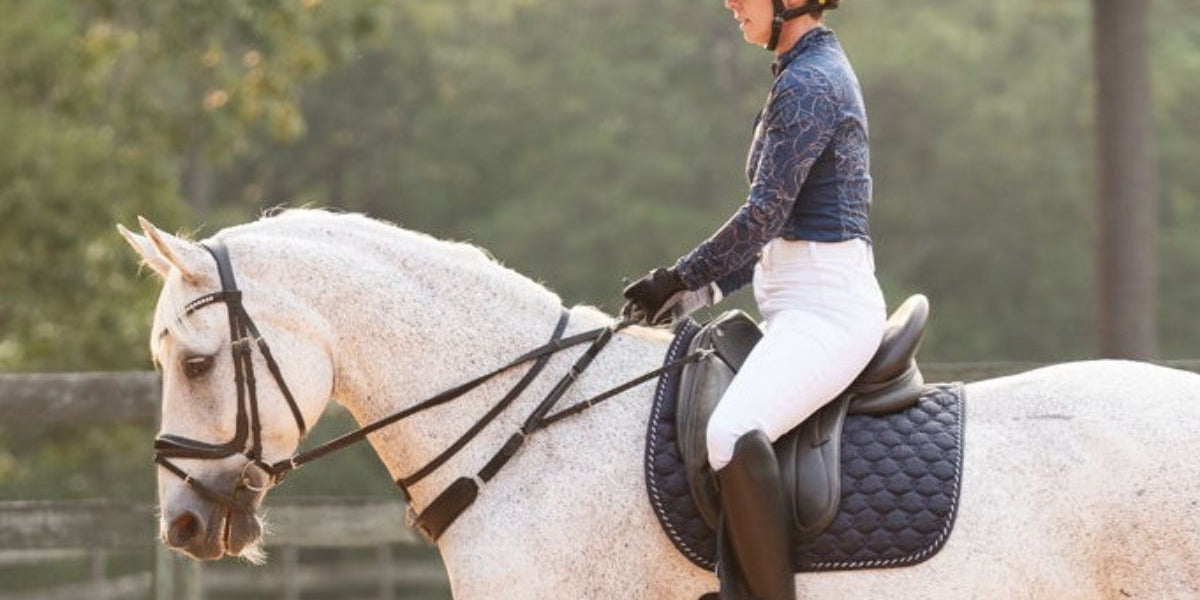
At their simplest, training reins are reins or rein systems designed to influence how the horse carries its head and neck, and how it connects to the rider’s hands. Sometimes they are used alongside the regular reins, but in other cases they replace them entirely, becoming the primary rein the rider holds.
That distinction matters. Some training reins are designed to act more directly on the horse’s way of going, encouraging a certain posture, balance, or outline when used correctly. Others are intended to support the rider, helping create steadier hands, clearer contact, or better balance without directly fixing the horse’s frame. In practice, most setups influence both horse and rider to some degree, but understanding the primary purpose helps you choose and use them more responsibly.
Their real value is in helping horse and rider develop a clearer, more consistent conversation.
That matters even more for adult amateurs, returning riders, and anyone rebuilding confidence or feel. Often, the issue is not effort. It is timing, coordination, or simply not being able to feel what a trainer is asking for in the moment. The right rein setup can help bridge that gap.
Used thoughtfully, training reins can support steadier hands, more consistent contact, and a calmer, more confident horse. Used poorly, they can create tension, confusion, and a false picture.
So who needs training reins? Not every horse. Not every rider. But they can be a smart tool for riders who want more consistency, horses who benefit from clearer communication, and partnerships working toward a softer, more connected feel.
What training reins actually do
Training reins are designed to influence the feel, stability, and consistency of contact. While some traditional systems affect the horse more directly, many modern training reins are focused on improving the rider’s ability to create a steady, elastic connection.
When used correctly, training reins can help:
The horse:
-
develop confidence in the contact
-
stay more consistent in the connection
-
move more freely through the topline
-
relax into a steady, predictable feel
The rider:
-
maintain consistent rein length
-
develop quieter, more stable hands
-
feel true connection rather than rigidity
-
improve timing and coordination
A quick note on traditional training aids
Some training reins, like side reins, draw reins, and other mechanical systems, are designed to influence the horse’s outline more directly.
These tools can have a place in experienced hands and specific situations, but they are also the source of much of the confusion around training reins. When overused or misunderstood, they can create a false frame or tension rather than true connection.
For many riders, especially those focused on long-term development and horse welfare, a rider-focused approach is often more effective.
Rider-focused training reins: a different approach
Not all training reins are designed to change the horse. Some are designed to improve the rider.
This is where rider-focused training reins stand apart.
Rather than creating a shape, they help create consistency. And consistency is what allows the horse to relax, understand, and respond.
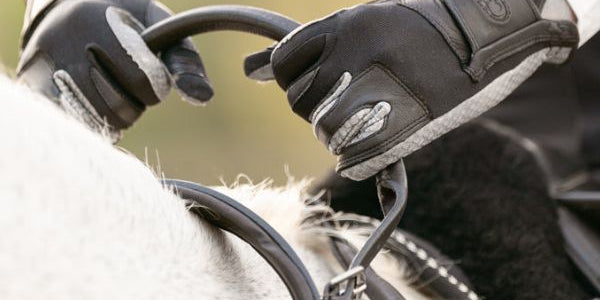
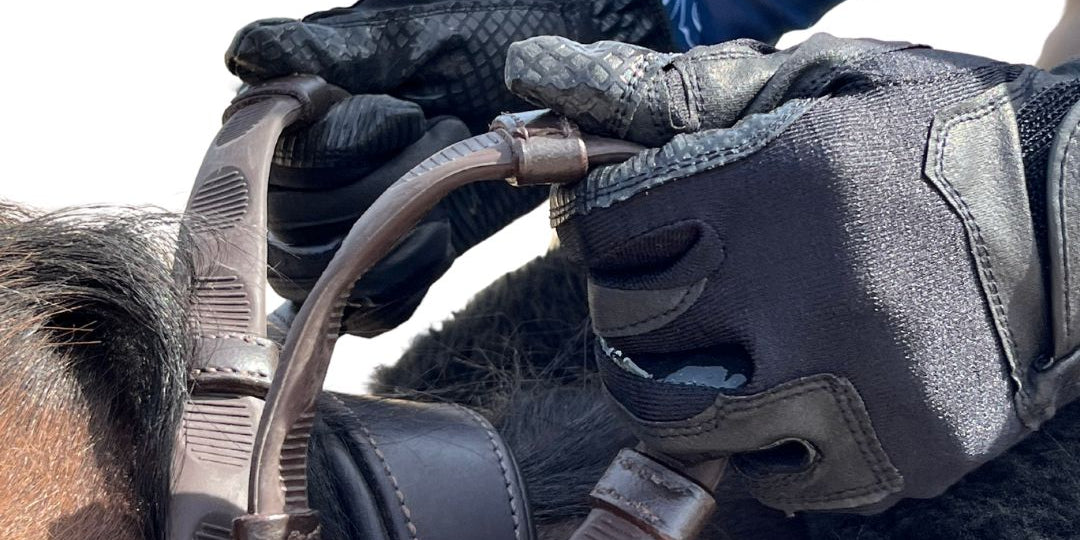
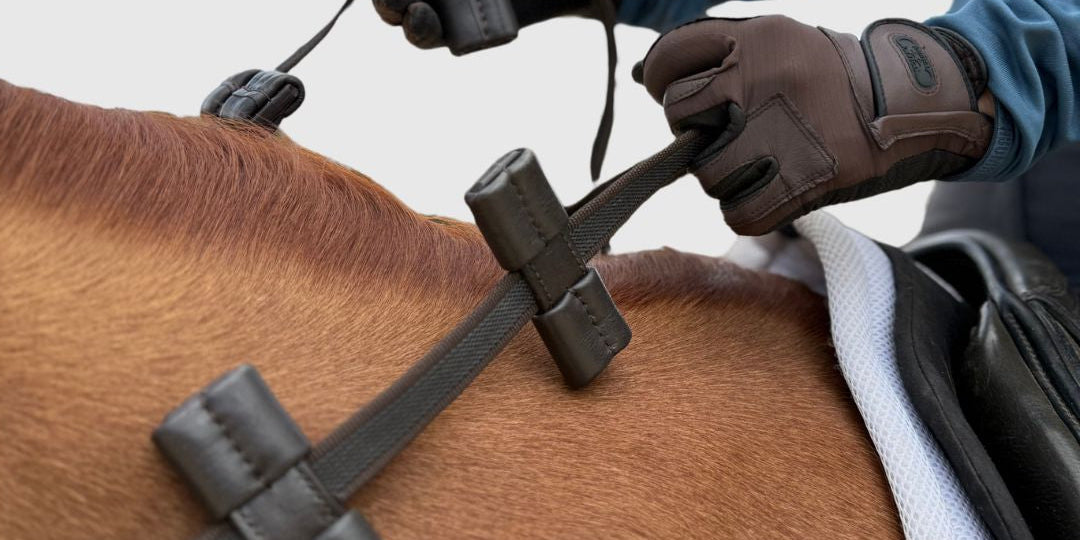
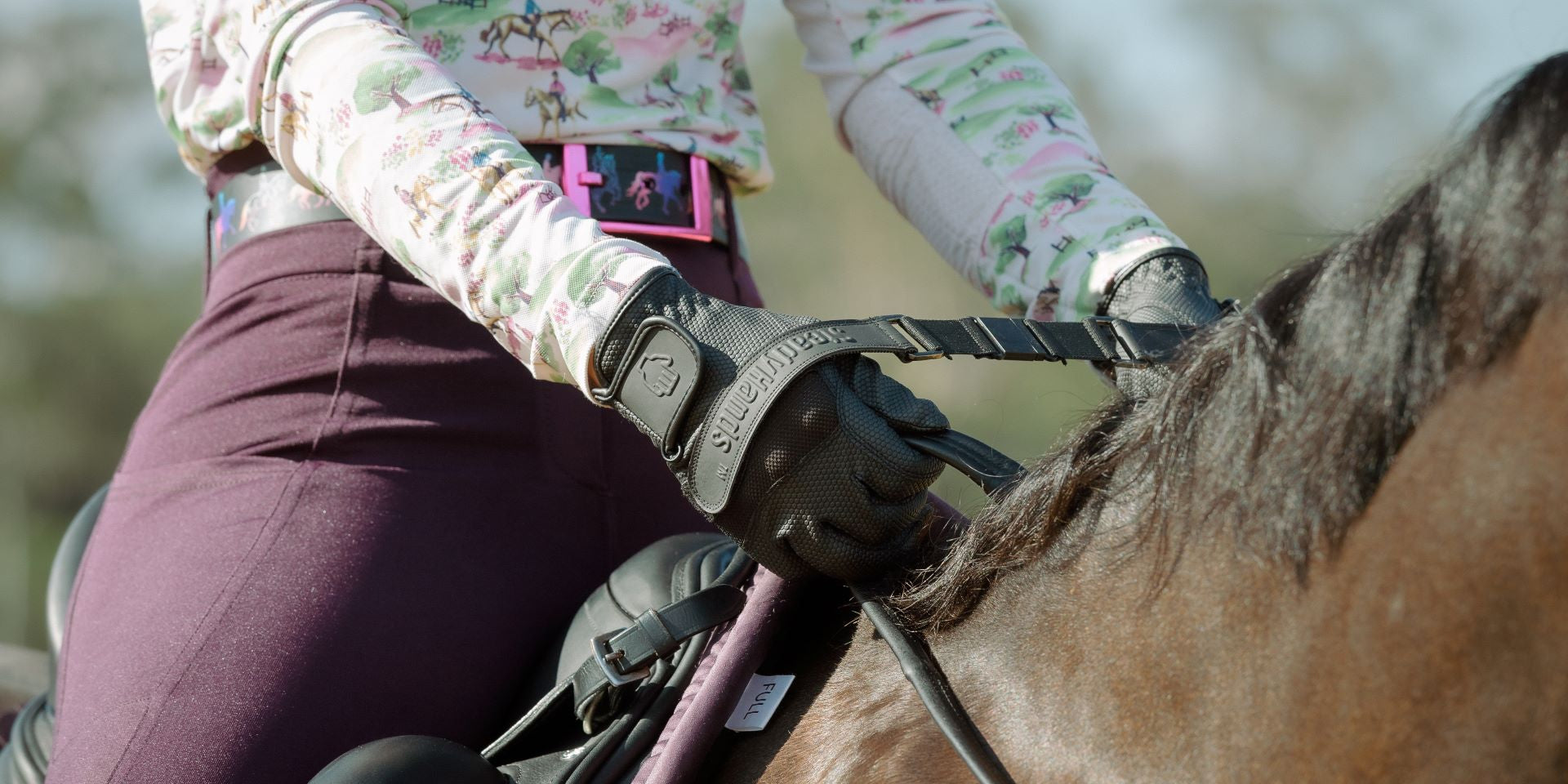
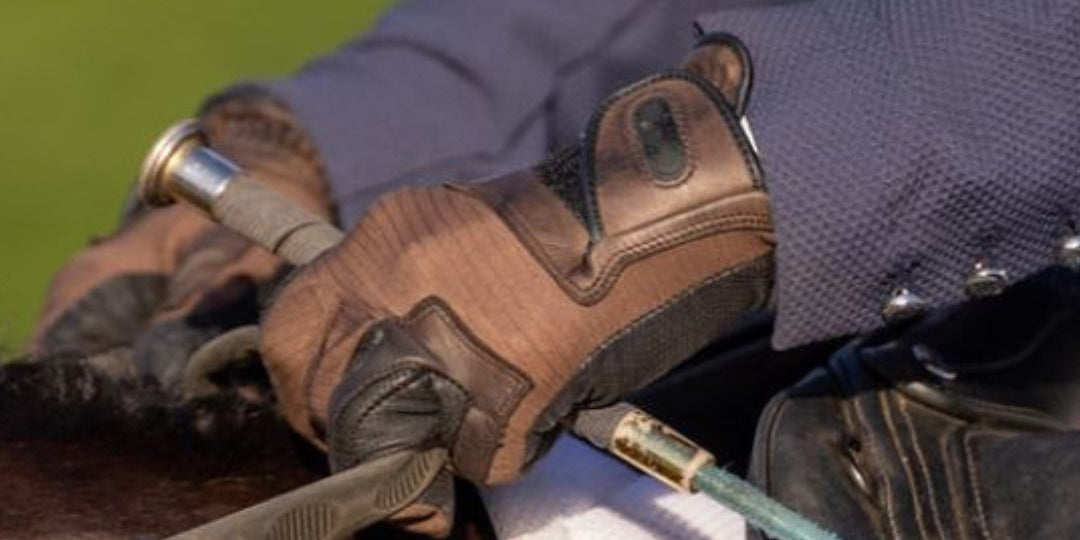
Reins like the Aaron Vale Reins are a good example of this approach. Developed in collaboration with Grand Prix show jumping rider Aaron Vale, they feature a subtle, hand-stitched rein stop that gives riders a clear reference point for rein length.
Instead of constantly adjusting or second-guessing, the rider can feel when their hands are in the right place. This helps create a straighter line from the bit to the elbow, encouraging softer arms and a more stable contact.
The design is intentionally slim and unobtrusive, allowing for feel without bulk. The rein stops can also be adjusted, so riders can fine-tune their position based on their horse and their own balance.
For many riders, this creates a noticeable shift, not because the horse is being held in place, but because the rider becomes more consistent.
Comfort matters: supporting the rider’s hand
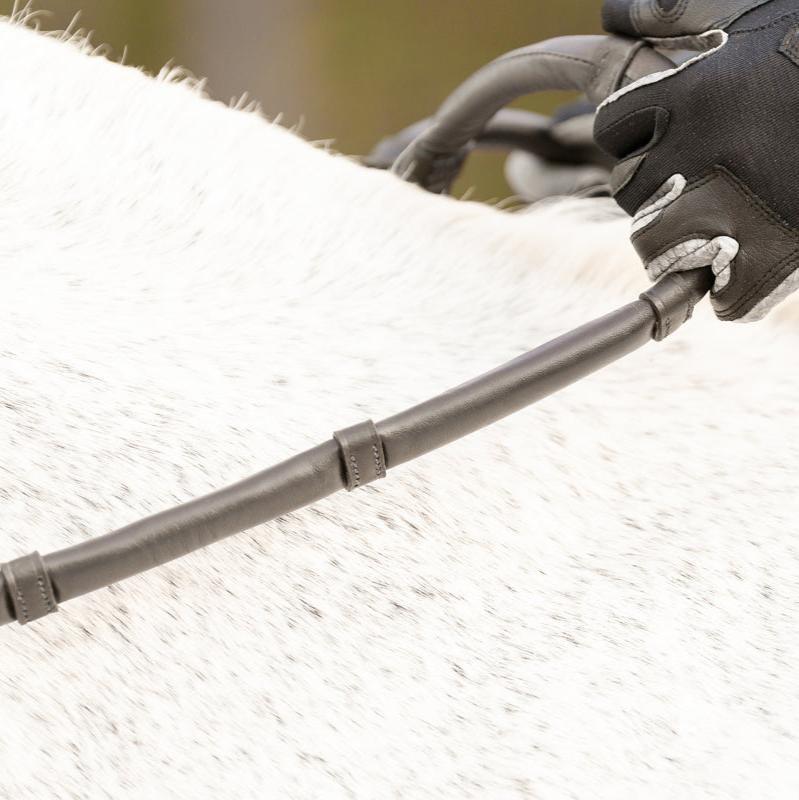
Building on that concept, Comfort Connect Reins were developed to provide even more support through the rider’s hand.
Created with input from 5* eventer and USEA judge Heather Gillette, these reins feature padding along the entire length. This makes them especially useful for riders who:
-
struggle with grip strength
-
experience soreness or fatigue
-
have arthritis or stiffness
-
find it difficult to maintain a steady, closed hand
When the hand is more comfortable, it becomes easier to stay soft. And when the hand stays soft, the contact becomes more elastic and consistent.
Instead of gripping tighter to keep control, the rider can relax into a steadier feel, something horses tend to respond to quickly and positively.
Who can benefit from training reins
Training reins are not necessary for every rider, but they can be especially helpful for:
-
adult amateurs developing feel
-
riders returning after time away
-
horses that struggle with inconsistent contact
-
riders working on steadiness and coordination
-
riders managing physical limitations like reduced grip strength
Signs a training rein setup is helping
You want to see improvement in the whole horse.
Positive signs include:
-
a more relaxed topline
-
steady rhythm
-
softer expression
-
even, consistent contact
-
the horse reaching into the rein
Warning signs include:
-
tension or resistance
-
a forced outline
-
shorter stride
-
a rigid or fixed feeling in the hand
If the horse looks better but feels worse, the setup is not helping.
A welfare-first approach
Training reins should always support the horse’s comfort and understanding.
The goal is not to create a certain look, but to improve communication. When the rider becomes more consistent and the horse becomes more confident, the result is a softer, more connected partnership.
Where to go from here
If you are considering training reins, start by identifying the real challenge. Choose the simplest tool that supports that need, and focus on feel rather than appearance.
For many riders, especially those working on consistency and connection, rider-focused training reins offer a practical and horse-friendly solution. Over time, the goal is not to rely on them, but to develop the feel and stability they help create.

