






















Finding the best girth for your sensitive horse is often the difference between a tense ride and a relaxed, willing horse. A sensitive horse may react during tightening, show discomfort under saddle, or develop rubs that affect performance and comfort.
Before focusing on any one girth, it is important to rule out poor saddle fit or underlying medical issues with a qualified saddle fitter or veterinarian. Issues such as back pain, ulcers, or an ill-fitting saddle can all create symptoms that look like girth sensitivity.
Once those concerns are addressed, choosing the right girth becomes a key part of improving comfort, movement, and overall total saddle fit.
Why Girth Fit and Pressure Matter So Much
The girth plays a major role in how the saddle sits on the horse. If the girth pulls forward or shifts during a ride, it can affect saddle fit, stability, and comfort across the horse’s body.
A poorly designed girth may:
-
Create uneven pressure across the sternum
-
Restrict elbow movement
-
Pull the saddle forward toward the shoulders
-
Cause rubs along the elbow area
-
Disrupt natural movement and rhythm
Even a small imbalance can affect how the horse moves under saddle.
Signs Your Horse May Be Sensitive to Their Girth
A sensitive horse often communicates discomfort clearly if you know what to look for.
Common signs include:
-
Ear pinning when you tighten the girth
-
Tail swishing during saddling
-
Holding breath as pressure increases
-
Skin rubs along the sides
-
Moving away on the ground during tacking
-
Resistance during the ride
-
Saddle shifting or feeling pulled forward
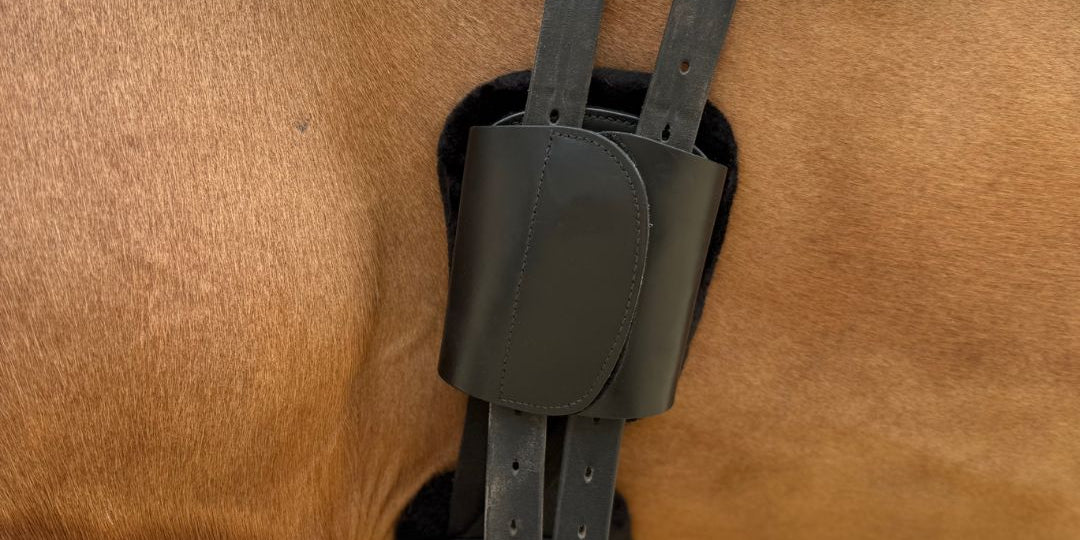
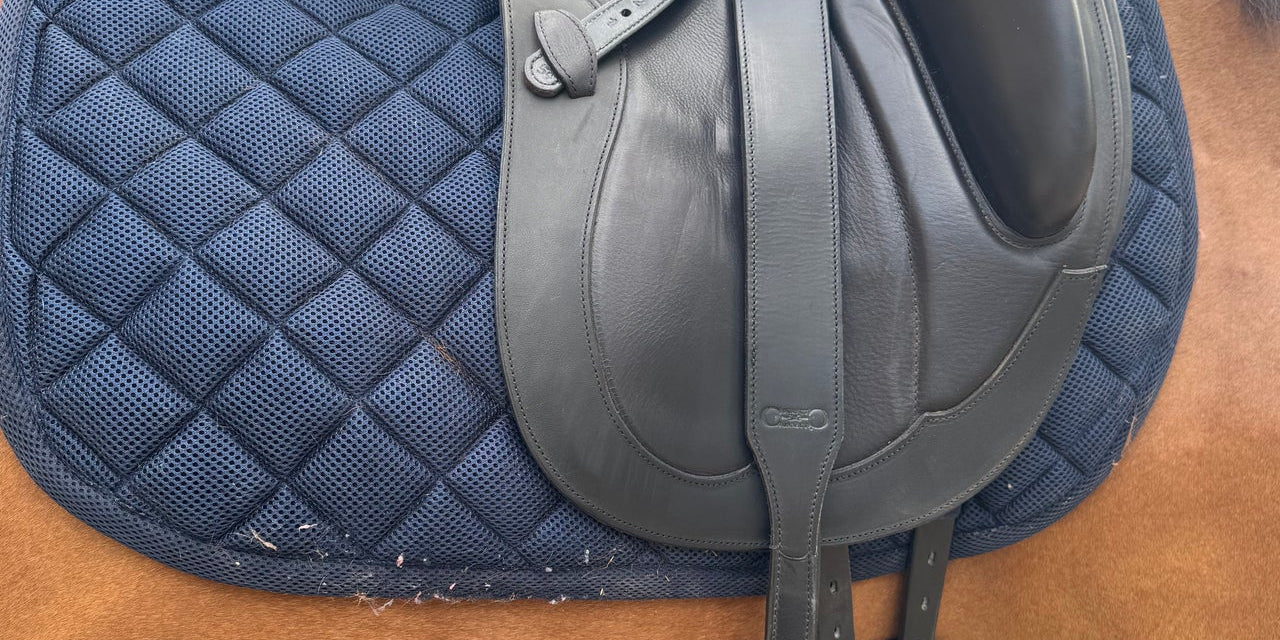
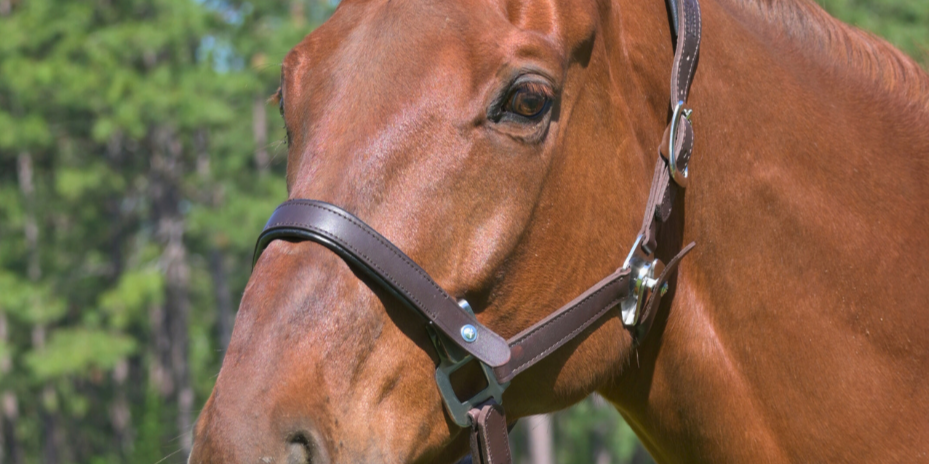
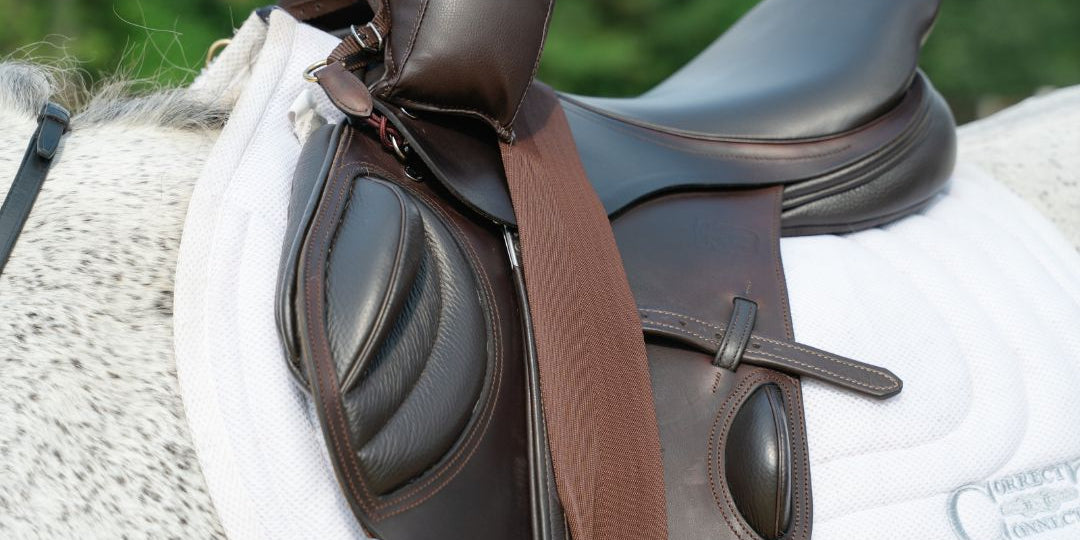
To check basic fit, the girth should sit evenly with proper clearance at the elbow area, typically a hand's width between the elbow and the girth. If it is a short girth for a mono-flap saddle, it should end a few inches from the end of the saddle pad. Any more space than that, and the girth is far too short. A consistent position helps prevent bunching, rubbing, and uneven pressure distribution.
Why Pressure Relief Matters
A properly designed pressure relief girth focuses on reducing concentrated force and spreading pressure equally over a large area.
This allows:
-
Better freedom of movement
-
More even pressure distribution
-
Improved comfort under saddle
-
Less resistance during ride
-
Reduced rubs in sensitive areas
Features That Matter in a Girth

Anatomical Shape and Design for Improved Elbow Movement
A properly shaped girth helps it sit correctly without interfering with movement. The right shape supports balance while allowing natural motion through the horse’s body. Ideally, the girth should provide maximum surface area with elastic that allows it to move with your horse's ribcage.
Soft Materials and Leather Construction
Soft, high-quality materials help reduce friction and improve comfort.
Many riders prefer:
-
Soft leather for durability and feel
-
Fleece for added cushioning
-
Padding that reduces rubs
Removable Pad System for Comfort and Care
A girth with a removable pad system allows you to clean or replace fleece liners without replacing the entire girth. This helps maintain consistent comfort and hygiene for a sensitive horse.
It’s important to note that dirty or compressed fleece can create uneven pressure points and lead to rubs over time. Even a well-fitted girth can become uncomfortable if the padding is not kept clean and fluffed.
Benefits of removable girth pads include:
-
Easier cleaning and better hygiene
-
Reduced rubs from compressed fleece
-
Ability to replace worn liners
-
Adjustable comfort for sensitive horses
-
Longer girth lifespan
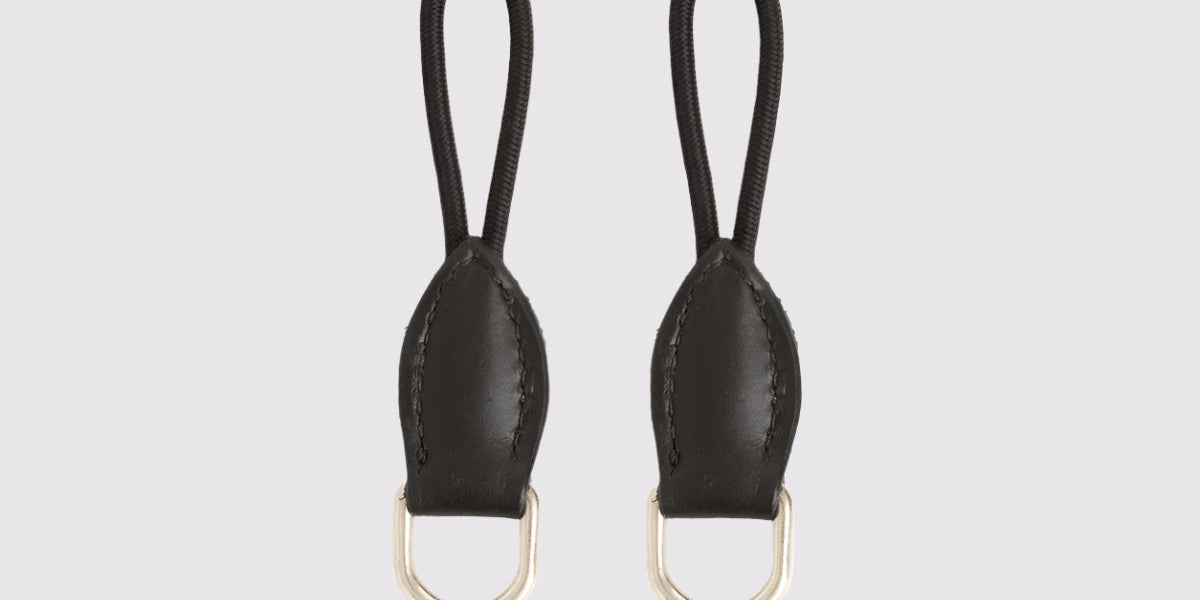
Elastic for Controlled Stretch
Elastic inserts help the girth adapt to breathing and movement while the center section stays stable.
Proper elastic allows:
-
Controlled stretch at a comfortable angle so the girth follows the horse’s body with balanced pressure
-
Balanced pressure on both sides
-
Improved comfort during motion
-
Better saddle security during ride
It should also support the horse's shoulders, preserve ease of movement, and not bunch.
How Total Saddle Fit Is Affected by Girth Choice
True saddle fit includes the saddle, billets, and girth working together. Where the girth sits in relation to the billet line and elbow also affects shoulder freedom and overall balance.
Even if the saddle fits well, the wrong girth can:
-
Pull the saddle out of balance
-
Change how pressure is distributed
-
Impact performance and relaxation
This is why girth selection should always be part of the overall fit conversation.
The Pressure Relief Comfort Short Girth by Correct Connect

A popular choice for riders seeking a comfortable girth for a sensitive horse is the Pressure Relief Comfort Short Girth by Correct Connect. Thoughtfully designed to promote your horse's comfort and freedom of movement, this innovative girth features a pressure-relieving shape that helps distribute pressure more evenly across the sternum while reducing restriction behind the elbows.
The soft, high-quality materials and ergonomic design make it an excellent option for horses that are prone to girth sensitivity, helping them feel more relaxed and comfortable during every ride.
Whether you're training, competing, or enjoying everyday riding, the Pressure Relief Comfort Short Girth is designed to support both performance and equine wellbeing.
Final Thoughts
Finding the best girth for a sensitive horse is about understanding your horse’s needs and improving comfort through better design and fit.
Once saddle fit and medical concerns are ruled out, a well-designed pressure relief girth can improve comfort, reduce rubs, and support natural movement.
Lastly, when your horse is more comfortable, the result is better performance, better relaxation, and a more enjoyable ride for both horse and rider.

