

















There are countless training aids available to riders today, and many of them promise to correct common challenges such as slouching in the saddle, pulling on the reins, or an unsteady leg. However, not all training aids work in the same way. Traditional tools often focus on adjusting the horse’s head and frame, while others are designed to improve the rider’s position so the horse can move more naturally underneath them. Understanding this difference is the first step to choosing the right tool for you and your horse.
Traditional Training Aids
Products like draw reins and a running martingale have been part of equestrian training for decades. Both are designed to influence the position of the horse's head through the reins.
When used by experienced riders under the guidance of a qualified trainer, they can be helpful in certain training situations. However, they don't directly improve the rider's seat, balance, or leg aid.
If the rider continues to collapse through their body, raise their heels, carry uneven weight, or ride with harsh hands, those underlying habits often remain unchanged.
In some cases, riders may solve one issue while unintentionally creating more problems elsewhere.
Correct Connect's Philosophy
At Correct Connect, we believe lasting improvement begins with the rider. Rather than asking the horse to compensate for the rider's inconsistencies, our training aids are designed to develop awareness of the rider’s own position, weight, and movement, and how those elements directly influence the horse’s way of going.
When the rider becomes more balanced and effective, the horse is able to respond naturally. The result is lighter contact, improved control, better balance, and a more comfortable, willing horse.
Which Training Aid Should You Choose?
There isn’t one perfect answer when it comes to training aids, because every rider has different strengths, weaknesses, and goals.
The best training aid is the one that addresses the root cause of the issue, not just the visible symptom.
Before choosing, it helps to ask a few simple questions:
-
Do I lose my position in the saddle when things get more forward or technical?
-
Are my legs stable and consistent, or do they swing or grip too much?
-
Do I rely on my reins for balance instead of using my seat?
-
Does my horse become inconsistent because my position changes?
Once you identify the pattern, it becomes much easier to choose the right solution.
Position Reminder

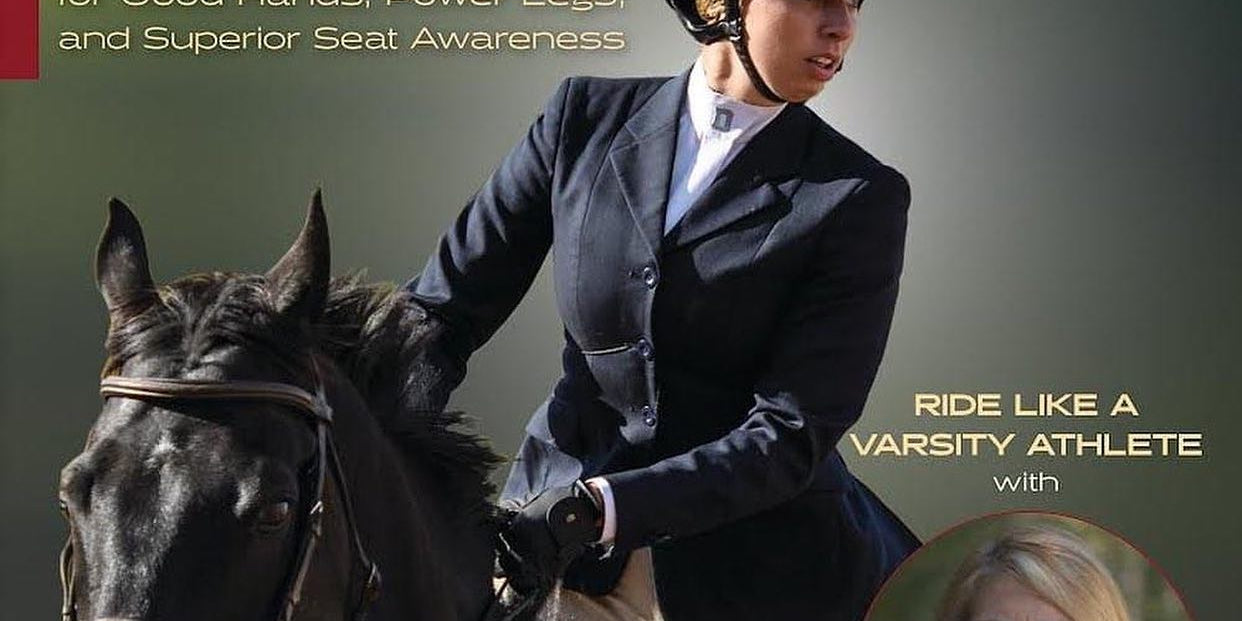
Best for: posture, upper body alignment, and improving rider position awareness.
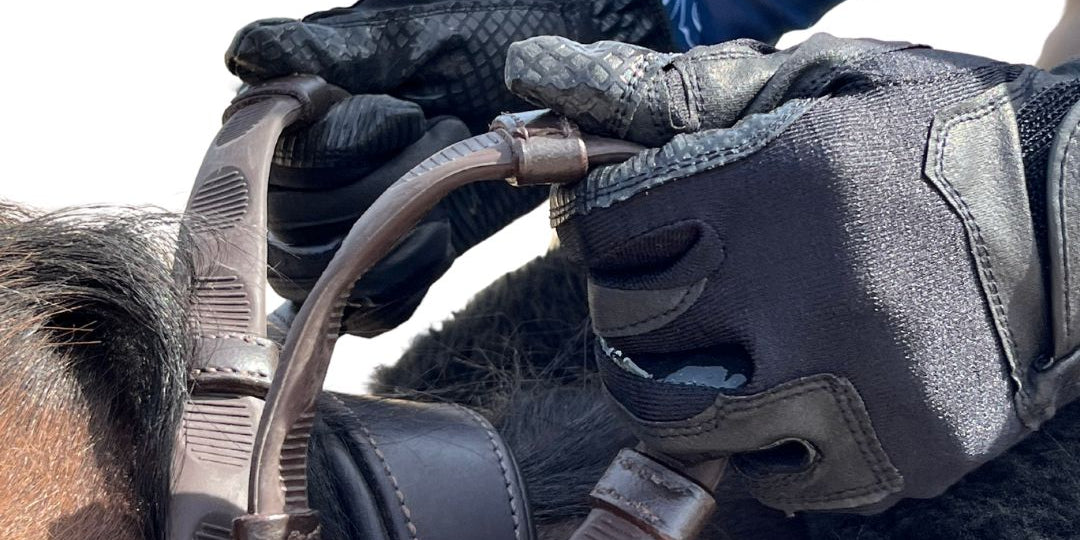
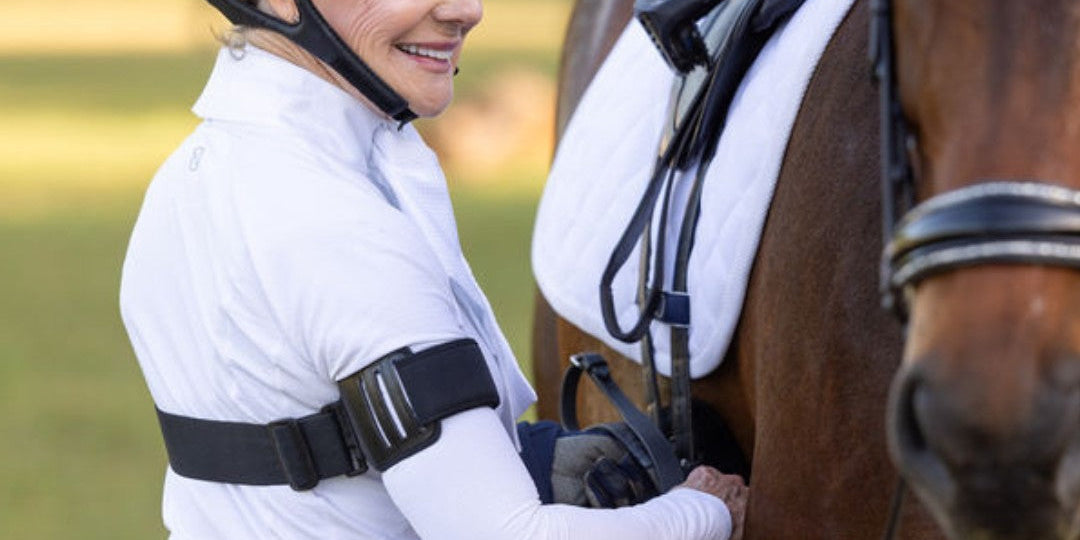
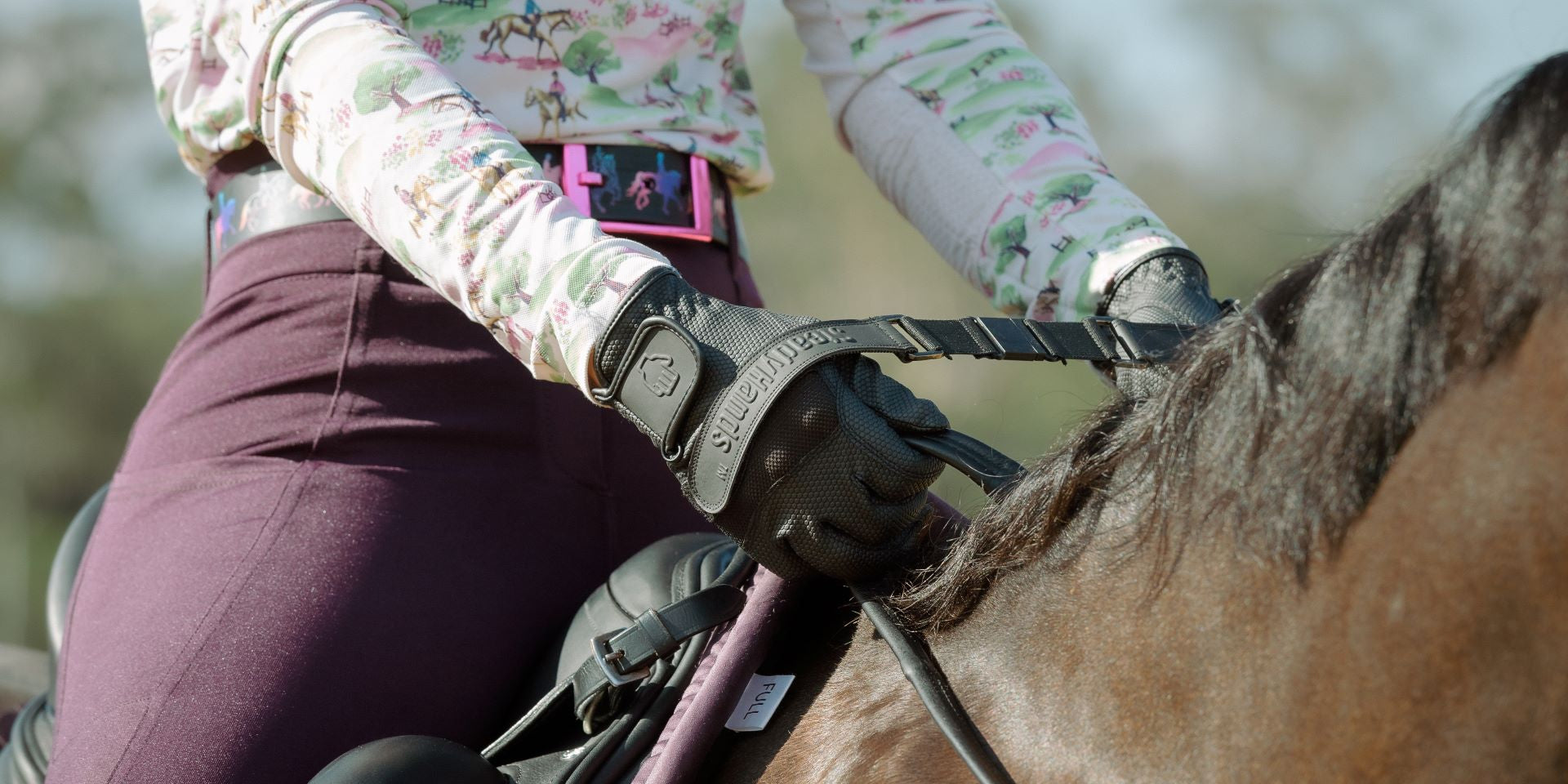
Tired of hearing “shoulders back” on repeat? The Position Reminder is designed to help riders develop better posture and body awareness without relying on forceful correction or constant reminders from a trainer.
Unlike traditional “quick fixes,” such as placing a whip behind the back, which can often lead to stiffness or an over-compensated position, the Position Reminder focuses on building correct muscle memory through feel rather than force.
It can also be adjusted depending on what you’re working on. Positioned higher on the arms, it encourages better shoulder alignment and upper body posture. Positioned lower, it helps improve elbow position and connection through the reins.
Equisole

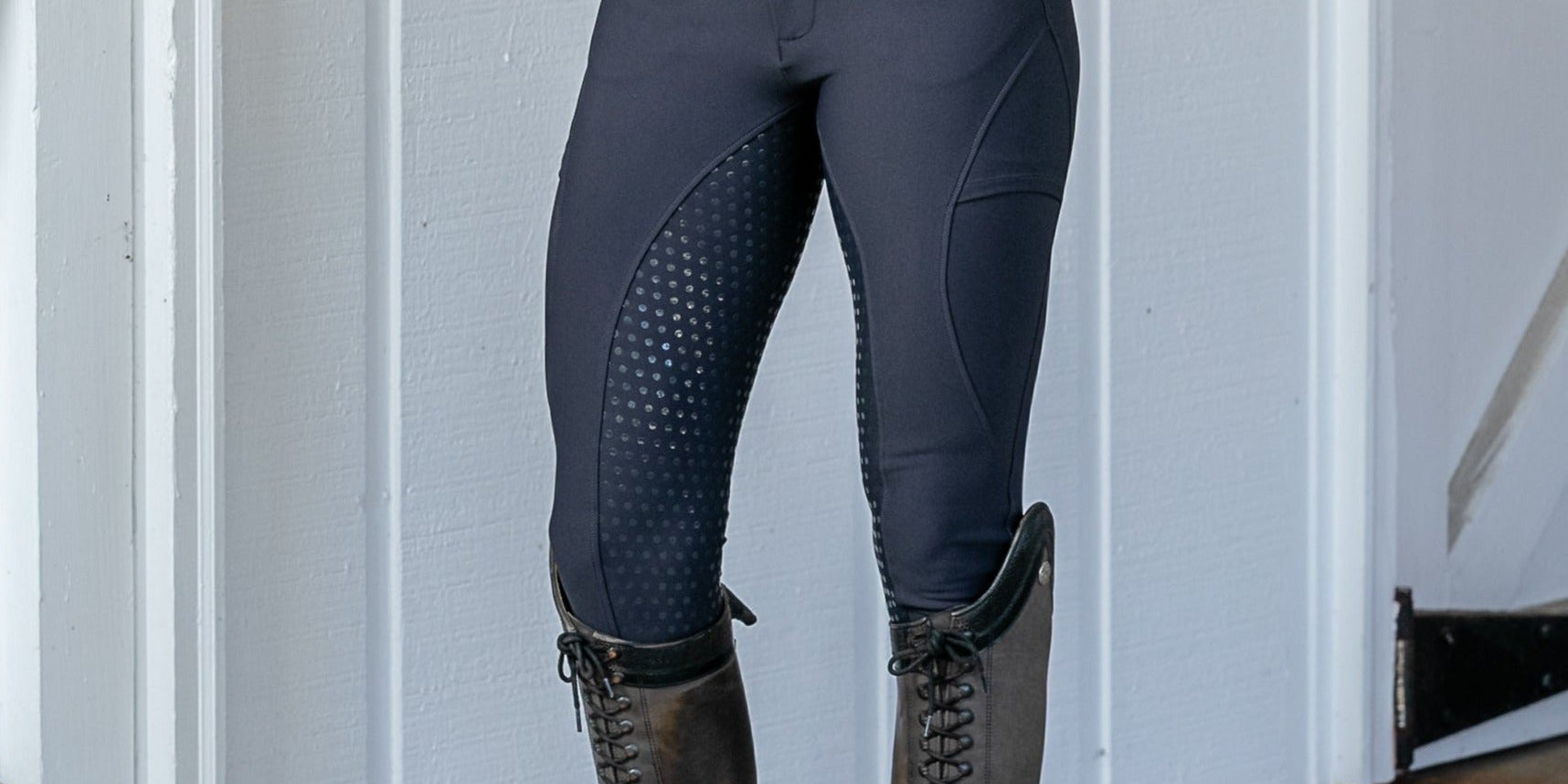
Best for: balance, seat stability, lower leg effectiveness, and improving rider position from the ground up.
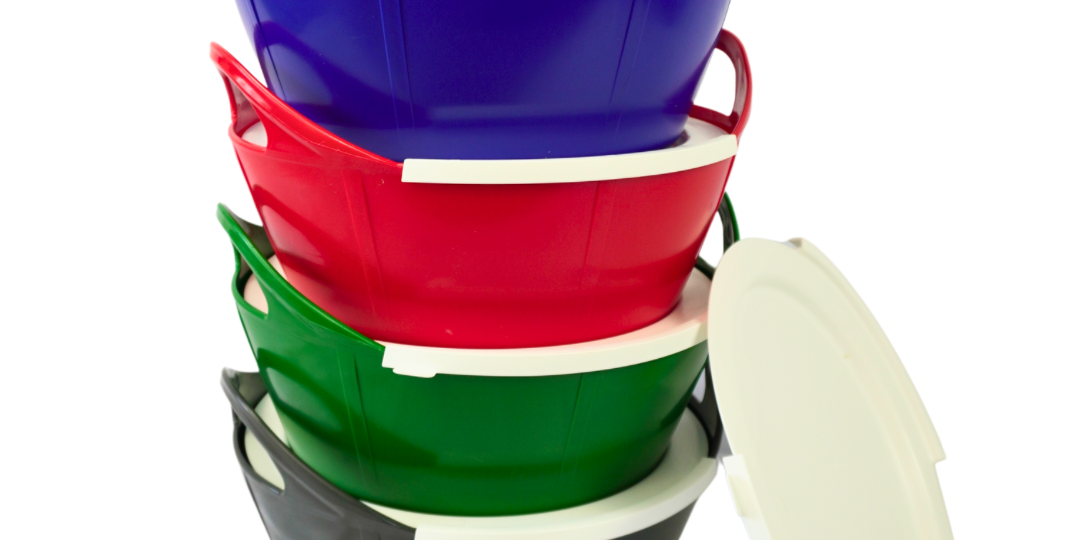
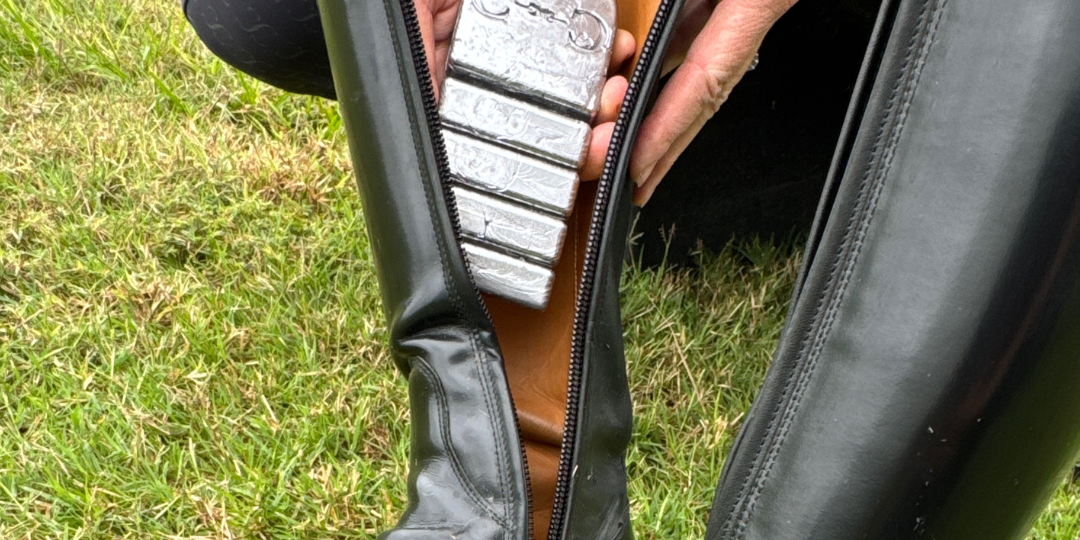
Would you like a more relaxed, balanced seat when you trot down the center line? Or a more stable lower leg and a more effective jumping position over fences? If so, Equisole is designed to help, and it all starts with weighting your feet.
The Equisole works by adding subtle weight and awareness to the rider’s boots, encouraging a more grounded position through the lower leg and core. This simple change helps the rider find a more natural alignment from the ground up, rather than relying on tension in the seat or gripping through the thighs.
As the rider becomes more aware of weight in the boots, the hip angle naturally begins to open. This allows for a more elastic, following seat that can better absorb the horse’s movement in walk, trot, and canter. Instead of blocking motion, the rider learns to move with the horse.
This improved alignment also helps riders develop a longer, more stable leg position. The lower leg becomes quieter and more consistent, supporting clearer aids and a more secure jumping position without forcing or stiffness.
The result is a more connected rider who can stay balanced in a variety of situations, from flatwork in the arena to more forward work and jumping, while allowing the horse to move freely underneath them.
3-in-1 Training Breastplate

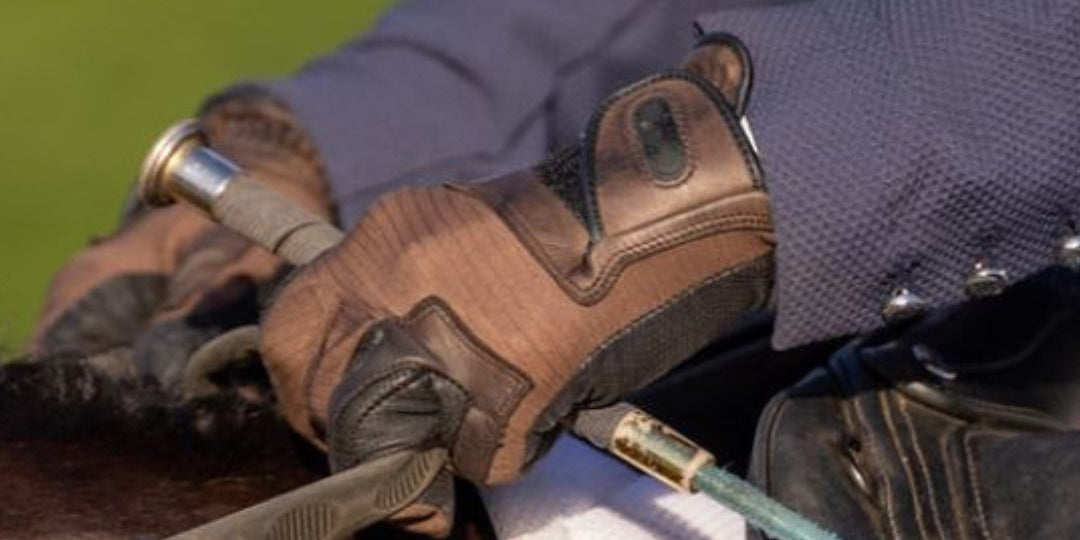
Best for: soft hands, rider stability, and improving the horse’s way of going through correct riding.
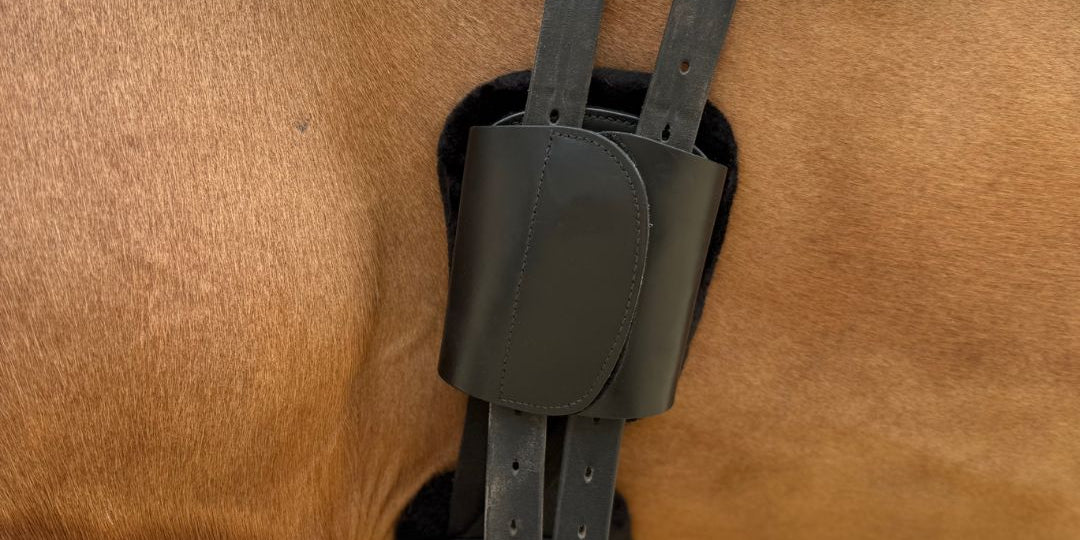
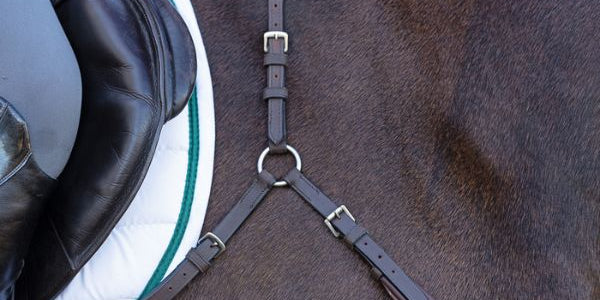
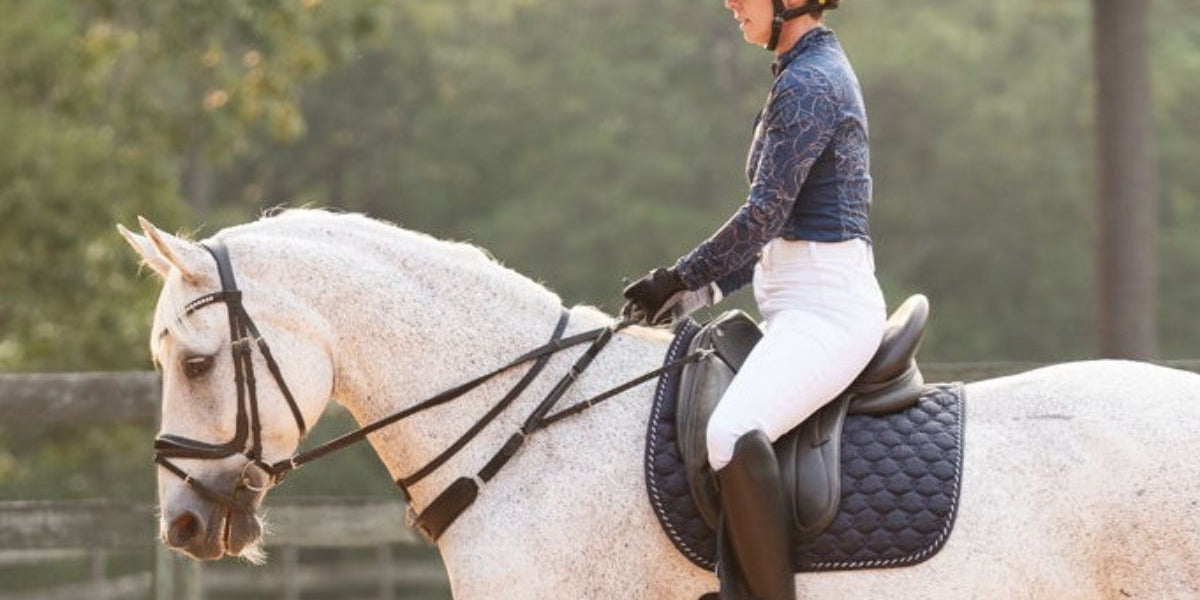
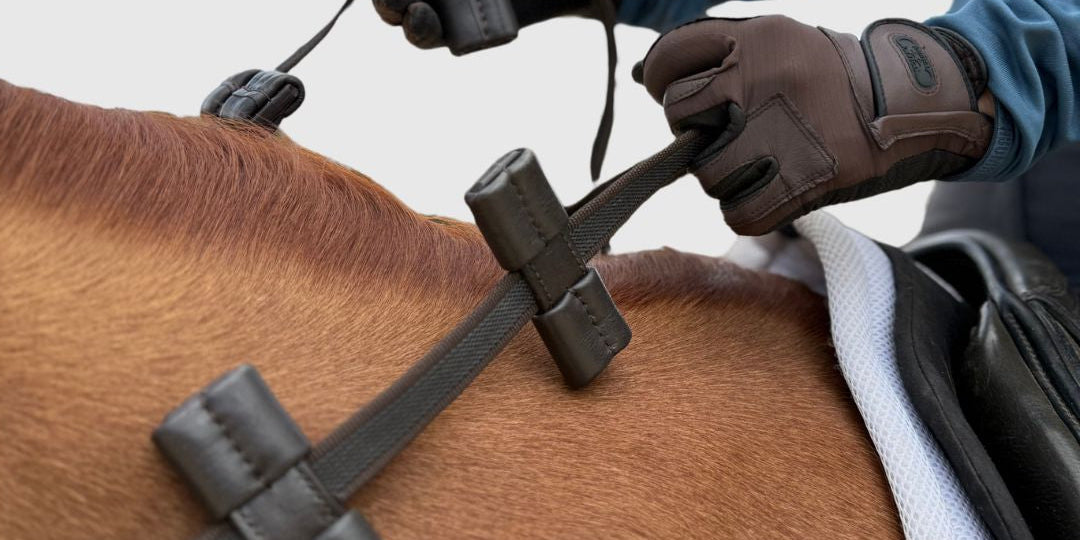
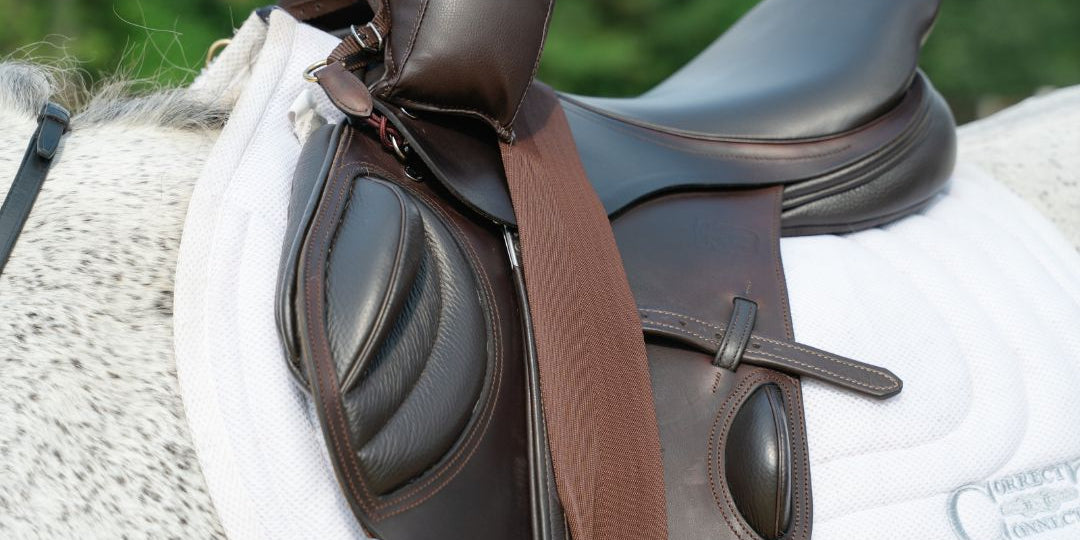
The 3-in-1 Training Breastplate has helped riders worldwide, from developing riders to experienced competitors, across multiple disciplines and training goals.
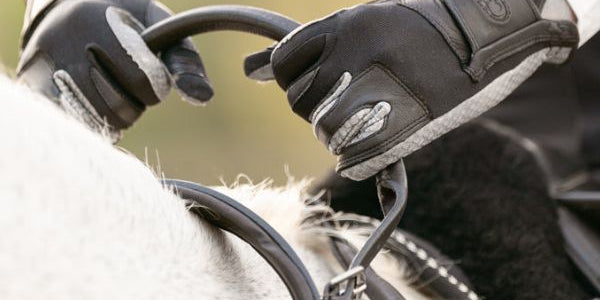
Its main purpose is to help the rider develop a more stable position and softer, more independent hands. This allows the horse to move freely from behind, engaging the hind end and traveling forward into a more supple, relaxed frame.
Unlike traditional training aids such as draw reins, which act directly on the horse’s head and neck, the 3-in-1 Breastplate focuses on improving the rider first. When the rider becomes more balanced and consistent in their position, the horse is able to respond without restriction and find a more natural way of going.
This approach encourages better communication through the reins, rather than force. Riders learn to maintain a steady connection without pulling, allowing the horse to stretch, lift through the back, and move more freely from the hindquarters.
The result is a more elastic partnership, where the horse is not held into a frame, but instead develops a correct outline through improved rider influence, balance, and feel.
Final Thoughts
The best training aids don't simply change how a horse looks. They teach the rider better habits.
When riders improve their position, the horse can respond naturally without excessive pressure, unnecessary restriction, or reliance on gadgets.
That's the philosophy behind every Correct Connect product, creating better riders so horses can perform comfortably, confidently, and consistently.

